Every pest problem looks different from the outside. A tidy home can still harbor German cockroaches behind a dishwasher panel. A new build can develop ant trails in the breakfast nook after the first irrigation cycle. I have spent years crawling attics, checking door sweeps in August heat, and sliding inspection mirrors under water heaters. Prevention works, but only when it matches the biology and seasonality of the pest, and the construction and habits of the household. Think of it as layers of protection, from the yard boundary to the pantry shelf.
This guide distills what consistently works in real homes and small businesses, with notes where local conditions change the playbook. If you’re in the Central Valley, references to pest control Fresno conditions will resonate, but the underlying approach holds anywhere with warm summers, irrigation, and a steady parade of seasonal invaders.
What pests try to do, and why that matters
Most household pests want three things: food, water, and harborage. They ride in on deliveries and firewood, they travel along utility lines and fence tops, and they breed in quiet voids that rarely get disturbed. If you remove one leg of that three-legged stool, the pressure drops. Remove two, and the problem usually disappears within a few weeks.
Common invaders break down into three broad groups. Ants and cockroaches operate like opportunistic foragers that exploit spills, pet bowls, and warm voids. Rodents, especially house mice and roof rats, map your home’s entry points and feed at predictable routes. Occasional invaders like earwigs, pillbugs, and spiders often track with moisture levels, landscape features, and weather shifts. Understanding which group you are facing changes the prevention plan, because ants and roaches respond to sanitation and baiting, rodents to sealing and trapping, and occasional invaders to habitat and moisture management.
The envelope: how your home leaks pests
Every structure has weak points. Doors that daylight at the bottom, garage weatherstripping that curled away two summers ago, gable vents with quarter-inch mesh that might as well be a welcome sign for mice. The two places I find the most avoidable breaches are utility penetrations and overhead garage doors. Cable and HVAC lines almost always leave a small crescent gap where caulk cracked or a foam plug shrank. Garage door seals compress and flatten near the wheel tracks, leaving a perfect mouse tunnel.
A practical weekly habit helps: on trash night or after mowing, walk the exterior with a flashlight even before sunset. Look for soil washouts near the foundation, ant trails on fence lines heading toward the house, wood-to-soil contact at planters, and leaves piled in corners. If you can slide a pencil under the bottom of a door, a mouse can enter. If light shines through an attic vent without fine mesh backing, paper wasps can build inside.
When I retrofit, I prefer silicone or high-quality polyurethane sealant around static penetrations, and copper mesh tucked in first if the hole is larger than a pencil eraser. Steel wool works, but it rusts and shrinks; copper mesh holds and does not corrode. For larger voids, expanding foam rated for pest exclusion is reasonable, but I still backfill with copper mesh to give it teeth.
Food management without becoming a monk
You do not need a sterile kitchen. You need boundaries that pests cannot exploit easily. Ants are notorious for finding a stray drop of grease near the stove leg or a film of sugary coffee under a toaster. Roaches can live on cardboard glue and soap residue. Start with the hotspots: the space under the refrigerator, under the dishwasher kick plate, and the cabinet under the sink. Those three zones determine the majority of ant and roach pressure I see.
Keep dry goods in sealed containers, preferably with gasket lids for flour, rice, and pet food. Paper packaging like cereal boxes tends to invite pantry moths and warehouse beetles, especially if you buy in bulk. Rotate stock and date it. If you bring home a bargain lot of birdseed or dog kibble, freeze small batches for three days to kill any hitchhiking eggs, then store sealed in a lidded bin. Wipe counters, yes, but prioritize corners and edges where crumbs accumulate and sugar spills migrate. A quick edge wipe with a degreasing wipe after dinner does more than an elaborate scrub once a week.
Pet bowls are a recurring theme in service calls. Elevate them on a shallow tray with a thin ring of water to break ant trails, or feed on a schedule and remove bowls afterward. In summer, I see patios where ant superhighways lead straight to a bowl that sits all day. A small adjustment there can end a week of indoor scouting trails.
Water is the engine
Most infestations I resolve accelerate when water is present. A sweating P-trap under a bathroom sink, a leaky irrigation head soaking the foundation, or a water heater pan with an inch of trapped condensation. American cockroaches prefer damp utility rooms. German roaches spike near dishwashers with slow leaks. Ants shift inside in late summer when irrigation patterns change the soil moisture profile. If you fix only one thing, fix water.
Check under sinks for any moisture signs: darkened particle board, swollen base, or that sweet smell of mold at the back corner. Repair drips immediately. In laundry rooms, inspect the dryer vent connection. A loose vent adds humidity, and lint nests in voids become harborage for silverfish and spiders. Outside, adjust irrigation so that heads do not spray the foundation or the lower siding. Plant choice matters. Dense, ground-hugging juniper or ivy against the home invites spiders and holds moisture that roaches like to traverse. A 12 to 18 inch clear zone of gravel or mulch, kept dry between water cycles, breaks many pest highways.
Ants: small scouts, big lessons
On a hot afternoon, Argentine ants will form trails across stucco like ink lines. In spring, odorous house ants pop from wall voids after the first rain. The biggest mistake people make is to spray over the top of ants inside with a repellent. It may kill the dozen on the counter, but it fragments the colony and pushes them into new voids, sometimes making the problem worse.
A better tactic is to watch the trail for a minute and find where it emerges. Seal obvious cracks with a small bead of sealant, then deploy slow-acting, sugar-based bait next to the trail instead of on it. I like placing a pea-sized amount on wax paper squares tucked out of sight behind small appliances. Outside, gel or liquid baits placed in shaded stations near the trail heads do the heavy lifting. Rotate bait types if you do not see activity within 24 hours. If you have grease-loving ants, use a protein or oil-based bait. Baiting is patient work; it can take a week for reductions to show, and you must resist the urge to spray over the top.
If ants invade after heavy irrigation or a heat wave, look upstream. In Fresno summers, I often see irrigation schedules that run daily. Switching to deeper, less frequent watering stabilizes soil moisture and cuts indoor migrations. Some homes benefit from a perimeter treatment by a pest control service during peak ant season, especially if neighboring properties have unmanaged colonies. That does not replace baiting, but it lowers outside pressure.
Cockroaches: know your species, then act
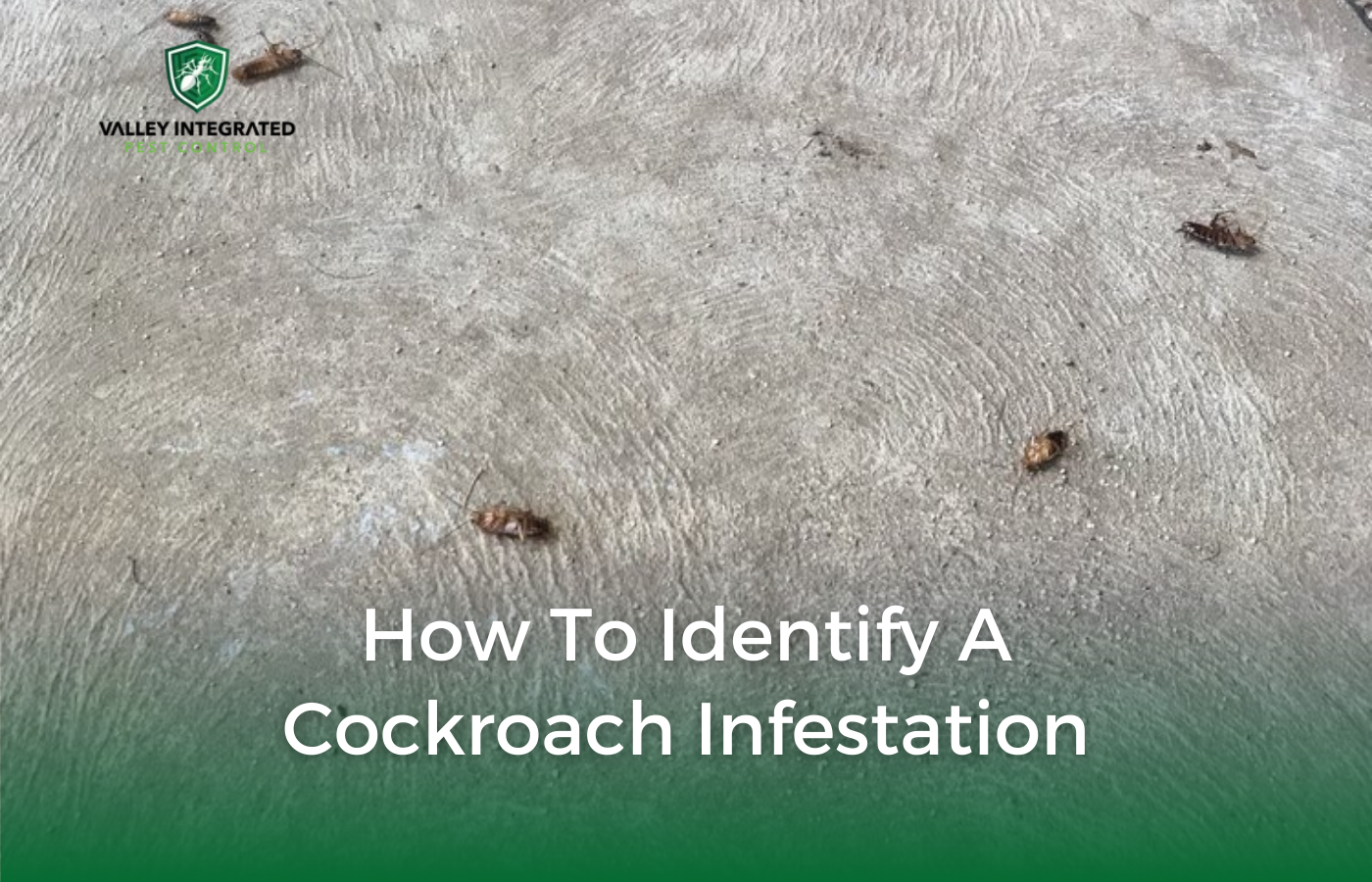
I ask two questions when a client says roaches. Do you see them mostly in the kitchen at night, small and tan, or do you find big, reddish ones in the garage and occasionally in the shower? German roaches live and breed indoors, often brought in with groceries or used appliances. American or smoky brown roaches often live outdoors and wander in through drains or gaps.
German roaches require an integrated approach: sanitation to cut food, sealing small voids, and a careful mix of gel bait and insect growth regulator. Pull the stove and fridge if feasible, and vacuum debris. Place small, rice-grain dabs of bait in hidden, warm spots where they travel, not out in the open: inside hinge recesses, behind drawer rails, and along the underside lip of counters. Resist over-applying; roaches avoid large blobs. Avoid spraying repellents, which teaches them to hide and can contaminate your bait. If an infestation is heavy, a professional with a measured plan is worth it, because German roaches can rebound if a single egg case goes untouched.
American cockroaches, often called palmetto bugs elsewhere, respond to exclusion and moisture control. Install fine screens on floor drains, refresh door sweeps at the bottom of utility room doors, and treat sewer roach issues with labeled drain products used sparingly according to directions. In summer, garage clutter invites them. Cardboard boxes on the floor become condominiums. Use plastic bins on shelves and keep a broom-width of space clear along the base.
Rodents: exclusion is 80 percent
Trapping works, but sealing wins. Mice collapse through holes the size of your little finger, and rats exploit gaps wider than a thumb. I carry a golf ball to demonstrate size tolerance. If the ball passes a gap at a garage corner, it needs work. Roof rats often enter at roofline gaps or through palm trees that brush eaves. Trim vegetation back at least two feet from the structure. Replace gnawed vent screens with galvanized quarter-inch hardware cloth, but on openings where only ventilation is needed, consider eighth-inch mesh instead, which seals out more pests without choking airflow if the area is large.
Inside, set a few snap traps along the runways where droppings appear, parallel with the wall and baited lightly with peanut butter or a small nut. Rodents are cautious of new objects. Pre-bait with unarmed traps for a night, then set them. Check daily. Glue boards have their place in tight, dusty mechanical rooms but are less humane and suffer in hot environments. Avoid placing rodenticides inside living spaces. Bait stations belong outdoors, secured and strategically placed, and they require careful management to avoid secondary exposure to pets or wildlife. A reputable pest control company will evaluate risks and document placement.
Attics deserve a once-a-year check. Look for compressed insulation runways, droppings around the hatch, and tunneling near the eaves. Rodents leave grease rub marks along beams where they travel. If you find evidence, do not scatter poison; find how they are entering, seal it, then trap out the existing population. I have seen many homeowners poison rats that then die in a wall void, creating odor problems far worse than the original issue.
Spiders, silverfish, and the quiet drifters
Not every bug is a crisis. In many homes, spiders show up where their prey is plentiful. Knock down webs, reduce the outdoor lighting that draws moths and midges, and they relocate. A light annual perimeter application by an exterminator can help, especially around eaves and window frames, but physical control is underrated. For silverfish, lower humidity, fix leaks, and store paper goods in sealed bins. They thrive in cardboard stacks and under bathroom sinks with poor ventilation.
Earwigs and pillbugs flood inside after heavy rain or when irrigation saturates soil under slab edges. Adjust downspouts so they throw water at least five feet from the foundation and use splash blocks. Regrade soil that ponds against the house. I have cleared dozens of recurring earwig invasions by simply extending one downspout and cutting back bark mulch from the foundation.
The Fresno factor: heat, irrigation, and agriculture
In the Central Valley, heat drives behavior. Summer highs push pests to cooler voids. Irrigation for landscaping creates lush microclimates next to stucco that otherwise bakes at 100 degrees. Agriculture at the urban edge means more rodents and field ants. If you search for pest control Fresno in July, you will see the surge in calls mirrored by rising ant trails and roach sightings.
A local pest control service in Fresno CA will time treatments to the calendar. Pre-emergent ant baiting in late spring gets ahead of summer waves. Exterior American roach treatments focus on utility chases and block wall copings that heat up by afternoon. Roof rats often surge when fruit trees ripen. Cover compost, pick fallen fruit daily, and prune trees that form bridges to eaves. Palms with skirted fronds are rat hotels; trimming the skirt and banding trunks can help.
Neighborhood factors matter. If the property backs to a canal or open field, expect more mice and outdoor roaches. If a pest control company in Fresno services your home, share these specifics and ask about granular baits for perimeter ants and whether your yard grading invites moisture against the slab. The best exterminator Fresno CA residents can hire will customize a plan, not just spray and go.
Smart cleaning that supports control
People overestimate the value of a deep clean and underestimate strategic cleaning. The best routine targets pest highways and harborage. Pull the stove quarterly. Vacuum the refrigerator coils and the floor behind and under it, paying attention to the back edge where grease builds. Empty the cabinet under the sink, wipe the back corners, and inspect supply lines for corrosion or wetness. In the garage, keep stored items on shelves at least six inches off the floor with a visible gap below. Sweep or vacuum spider webs before they become layers. If a closet smells musty, check for a cold-water line that condensates in summer. Insulate it or improve ventilation to cut humidity that draws silverfish.
Laundries and mudrooms deserve scrutiny. Pet food stored in paper bags there becomes a mouse magnet in winter. A sealed tote solves that. Dryer lint that escapes the vent settles into housekeeping corners and attracts pests. Tighten hose clamps and clear the vent path.
When to bring in a professional
There are thresholds where home strategies meet their limits. German cockroaches above light infestation, rodent noises in the attic coupled with fresh droppings each morning, or persistent ant trails that reestablish after baiting point to broader pressure or reservoirs you cannot access. A licensed exterminator will bring specific tools: gel baits with growth regulators, non-repellent concentrates for exterior perimeters, tracking powder in restricted voids, and exclusion materials that last. Just as important, they should bring an inspection mindset.
If you are evaluating a pest control company, ask about their inspection protocol, not just what they spray. A solid provider will talk about seals, screens, and sanitation before products. Ask how they rotate active ingredients to manage resistance and what their plan is if activity persists after the first service. In a region like Fresno, where heat and irrigation complicate matters, consistency wins. A well-timed quarterly service that includes granules, baiting, and inspections outperforms reactive spraying.
Safety, labels, and what not to mix
Over-the-counter products can help, but more is not better. Mixing sprays and baits often backfires, as repellent residues drive pests away from baits. Read labels, respect reentry times, and avoid blanket treatments indoors unless a professional has recommended a targeted plan. Essential oils sound safer, and some can repel briefly, but they often scatter ants and rarely solve the core problem. Diatomaceous earth can be useful in wall voids and attic spaces if applied lightly and contained, but heavy indoor dusting creates mess and can irritate lungs.
If you live with children, pets, or sensitive individuals, prioritize exclusion and sanitation, then targeted bait placements in stations rather than broad sprays. Communicate with your pest control service about any concerns. They can adjust formulations and application techniques. Most companies also offer integrated pest management programs that emphasize monitoring and non-chemical controls first.
Seasonal rhythms and what to do ahead of them
Pests march to the seasons more than the calendar. Late winter brings rodent sheltering. Spring unlocks winged ant flights and a burst of pantry pests in warm kitchens. Summer concentrates activity around shade and water. Early fall sends outdoor roaches exploring.
A simple seasonal rhythm pays off:
- Late winter: inspect and seal, trim vegetation, and test door sweeps. Pre-bait any known mouse entry zones with traps, unarmed for a day, then set. Spring: clean kitchen voids, rotate pantry stock, bait early for ants where you’ve seen trails in prior years. Install fresh screens and check attic vents. Mid-summer: adjust irrigation to deep, less frequent cycles, pull mulch back from the foundation, and refresh exterior perimeter barriers if you use them. Early fall: harvest or collect fallen fruit, reduce outdoor lighting near doors, and inspect garages for clutter and cardboard contact with floors.
Real examples that illustrate the point
A family in an older stucco home kept finding tiny roaches in the bathroom. They had sprayed several times. During inspection, I noticed a warm void under a vanity where a previous plumber had left a large irregular opening. The toilet supply line had a slow, intermittent seep that dampened the particle board base after showers. The fix was not chemical. We cut a tight escutcheon, sealed the gap with copper mesh and sealant, replaced the flapper valve that caused sweating, then placed bait micro-dabs in three concealed spots. Activity dropped within a week and was gone in a month.
A restaurant-adjacent townhouse had recurring ants on the second-floor kitchen island. No visible trails. We found the source two structures away along a shared landscape strip, with trails climbing a utility conduit, then traveling inside a wall cavity. We set gel bait at three access points and requested the HOA adjust irrigation that was soaking the conduit base. The owner had been surface-spraying the island, which only created detours. Once baiting and irrigation changes took hold, the issue resolved.
A Fresno garage with a chest freezer kept attracting American cockroaches every August. The cardboard around the Valley Integrated Pest Control pest control service freezer collected condensation, and the sill plate had a gap under the door track. We replaced the bottom seals, added a threshold ramp, moved cardboard to plastic bins, and applied a perimeter treatment around the exterior utility penetrations. No further sightings that season.
Working with a local pest control service
Whether you handle it yourself or hire, communication matters. Share when you see activity, where, and what changed in the home. New construction next door, a kitchen remodel, or a new irrigation schedule often correlates with the first signs of trouble. If you hire a pest control service Fresno CA residents rely on, ask for a written service plan with clear targets: ants on the north side shrubs, American roaches near the water heater closet, roof rat exclusion at the gable vents. A good pest control company will align with your budget and risk tolerance, and it will revisit the plan as conditions change.
This is where integrated pest management shines. Monitoring first, identify the pest, define thresholds, implement controls starting with the least risky, and evaluate the outcome. An exterminator operating within that framework does more than spray; they reduce the conditions that brought pests inside in the first place. If a provider only sells a one-size-fits-all monthly spray, keep looking. Also, check that they are licensed and insured, ask about continuing education, and read the label names they intend to use. You should be able to look those up and understand the mode of action and precautions.
A final layer: habits that keep you ahead
Two or three small habits outperform heroic efforts. Keep a narrow, dry perimeter around the foundation. Store dry goods and pet food in sealed containers. Trim vegetation off the structure and keep firewood elevated and away. Close the garage door at dusk, not hours later. Blow leaves out of corners and stairwells. Glance at the bottom of doors for daylight. Once a month, pull one appliance and clean behind it. Once a season, walk the exterior with a flashlight. These moments replace a dozen panicked trips to the hardware store.
If you adopt even half of these, you will lower pest pressure dramatically. When problems still surface, you will also have better information, which makes your effort or your exterminator’s work more effective. The goal is not to declare war on nature, but to reset your home so it is boring for pests. They will find easier places to live. And you will have built a routine that keeps them that way.
For homeowners who want to outsource the heavy lifting, finding a dependable exterminator Fresno CA homeowners trust can pay for itself through sustained prevention, tuned to the Valley’s heat and irrigation cycles. If you prefer to start on your own, the same principles apply: seal, dry, store tight, and only then treat, with patience and purpose.
Valley Integrated Pest Control
3116 N Carriage Ave, Fresno, CA 93727
(559) 307-0612
Valley Integrated Pest Control is a pest control service
Valley Integrated Pest Control is located in Fresno California
Valley Integrated Pest Control is based in United States
Valley Integrated Pest Control provides pest control solutions
Valley Integrated Pest Control offers exterminator services
Valley Integrated Pest Control specializes in cockroach control
Valley Integrated Pest Control provides integrated pest management
Valley Integrated Pest Control has an address at 3116 N Carriage Ave, Fresno, CA 93727
Valley Integrated Pest Control has phone number (559) 307-0612
Valley Integrated Pest Control has website https://vippestcontrolfresno.com/
Valley Integrated Pest Control serves Fresno California
Valley Integrated Pest Control serves the Fresno metropolitan area
Valley Integrated Pest Control serves zip code 93727
Valley Integrated Pest Control is a licensed service provider
Valley Integrated Pest Control is an insured service provider
Valley Integrated Pest Control is a Nextdoor Neighborhood Fave winner 2025
Valley Integrated Pest Control operates in Fresno County
Valley Integrated Pest Control focuses on effective pest removal
Valley Integrated Pest Control offers local pest control
Valley Integrated Pest Control has Google Maps listing https://www.google.com/maps/place/Valley+Integrated+Pest+Control/@36.7813049,-119.669671,17z/data=!3m1!4b1!4m6!3m5!1s0x80945be2604b9b73:0x8f94f8df3b1005d0!8m2!3d36.7813049!4d-119.669671!16s%2Fg%2F11gj732nmd?entry=ttu&g_ep=EgoyMDI1MTIwNy4wIKXMDSoASAFQAw%3D%3D
From Valley Integrated Pest Control we provide professional rodent control solutions just a short trip from Kearney Mansion Museum, making us a nearby resource for individuals throughout Fresno.