Fresno’s long, hot summers and mild winters create friendly conditions for spiders. Most species here are harmless and even helpful, but a few can cause trouble, especially in garages, sheds, and the shadowed corners of older homes. If you have kids who like to run barefoot, a dog that sleeps by the sliding door, or a warehouse where pallets arrive daily, spider management isn’t optional, it is a routine part of keeping your property safe and comfortable.
As someone who has spent years in Central Valley pest control, I have crawled through blistering attics, inspected crawl spaces that felt a few inches too small, and coached more than a few anxious homeowners through a tangle of webs. The goal is never to eliminate every spider. The goal is to reduce risk, remove problem species, and limit the conditions that invite new webs to show up the next week.
What’s actually living in those webs
Fresno yards and structures shelter a mix of common species. Orb weavers set up showy, wheel-shaped webs in gardens and eaves. Cellar spiders hang in loose, messy webbing near water heaters and under sinks. Jumping spiders do patrol duty along baseboards and window frames during daylight. None of these present more than a nuisance, though a dense population can signal other pest pressures like gnats or small flies.
Two species require extra caution. The western black widow, often tucked low in undisturbed areas like meter boxes, retaining walls, and the corners of garages, has a neurotoxic bite that demands medical attention if symptoms escalate. The yellow sac spider, a small, pale wanderer, sometimes bites when trapped in bedding or clothing. Bites are rare, yet the risk rises when clutter accumulates and light fixtures or soffits collect insects that attract predators. We also see false widows and ground-dwelling species that turn up in landscape borders and woodpiles. Correct identification guides treatment choice, so a quick photo and a professional look can save unnecessary sprays.
Why spiders love Fresno properties
Fresno homes provide three things spiders crave: food, water, and shelter. Food arrives daily in the form of flying insects. Irrigated lawns and drip https://www.mapquest.com/us/california/valley-integrated-pest-control-458063877 lines often create microhabitats for gnats and mosquitoes. Porch lights lure moths to siding. Kitchen vents, dryer vents, and poorly screened attic openings let small insects enter, and spiders follow.
Water collects under hose bibs, in drip trays below air conditioning units, and, after a hard watering cycle, in the top layer of mulch. Even small amounts are enough to support the insects spiders hunt. Shelter shows up wherever we give it. Storage boxes stacked against the wall, old patio furniture, woodpiles against fences, thick ivy at the foundation, and gaps around utility penetrations all create protected pockets. A spider that finds a corner protected from the breeze and loaded with small prey will stay and breed.
The risk level, framed realistically
Spiders are not aggressive. They bite when threatened, trapped, or startled, which is why most bites occur on hands, forearms, and lower legs, often during yard work or while moving stored items. Fresno emergency rooms see spider-related visits each year, but most cases involve minor symptoms. The exceptions are black widow bites, which can cause cramping, nausea, and elevated heart rate. Children, elderly residents, and those with existing health conditions face higher risk from complications. Pets generally avoid spiders, though small dogs or cats that paw at webs in tight spaces can be bitten.
The practical risk comes from cumulative exposure. If your garage harbors half a dozen widow webs behind stored boxes and the side yard has undisturbed debris, the odds of an encounter rise. A restaurant’s dumpster area with poor sanitation and bright night lighting can build spider and fly pressure that eventually finds its way indoors. Safer homes and workplaces keep the pressure low by reducing harborage and food sources, then focusing targeted treatments where activity persists.
Fresno-specific conditions that change the playbook
Seasonality matters. Late summer and early fall bring peak spider activity as web-builders expand territories and males roam. In wet winters, we see overwintering in eaves and attic edges. Drought years push both insects and spiders closer to irrigation sources, so drip lines and hose bibs become hotspots. Construction booms shift local populations as landscape plants go in and old structures get disturbed, leading to temporary spikes in garages and new builds with incomplete sealing.
Local regulations and community expectations have also shifted toward lower-toxicity, precise applications. Most Fresno homeowners ask for eco-friendly pest solutions that reduce risk to pollinators and pets. That matches what works best for spiders: focused control mixed with habitat modification. Integrating these approaches over the long term outperforms a single heavy spray.
What safe spider control looks like in practice
When we handle spider control Fresno homes and businesses, we start with inspection and habitat changes, then add targeted treatments. That order matters. If you spray before fixing conditions, you will be calling again in a month.
A thorough pest inspection Fresno technicians perform typically includes eaves, soffits, light fixtures, window frames, door thresholds, fence lines, and the inside of garages and sheds. We pay close attention to the lower two feet of the structure, utility penetrations, and the base of siding. Indoors, we focus on laundry rooms, mechanical closets, and areas near exterior doors. We often find that spider webs cluster where insects collect: around vents, under porch lights, and near stagnant water. That tells you where to push preventive effort.
For homes asking for fresno residential pest control with minimal chemical footprint, we lean on integrated pest management Fresno CA standards. We vacuum webs, egg sacs, and live spiders with a HEPA attachment, then seal entry points with silicone or high-quality elastomeric caulk. Screens get repaired, door sweeps adjusted, and heavy debris cleared. Outside, we prune vegetation to keep foliage off the structure by 12 to 18 inches. These moves do more to reduce spider counts than any product can.
When a targeted product is warranted, we choose narrow-spectrum residuals along exterior perimeters, especially around door frames, window casings, and eaves. In high-sensitivity settings we can use fresno organic pest control products or botanically derived options, though they tend to have shorter residual life. For widow activity, we combine careful removal with crack and crevice treatments into voids where webs anchor. Indoors, light spot treatments or dusts may be used inside wall voids, attics, or crawl spaces only if inspection indicates activity. Broad indoor sprays are unnecessary and discouraged.
Balancing spider control with overall pest pressure
Spiders don’t show up without prey. If you are seeing new webs every few days, look one layer deeper. Cockroach control Fresno services might be needed if German roaches in kitchens are drawing predators into baseboards. Ant control Fresno efforts along foundations can cut down on the small insects that feed scavenging spiders. Mosquito control services, especially around shaded yards with dense plants, will reduce the moth and gnat traffic at windows. Flea and tick treatment for yards with pets can also reduce the buffet that draws spiders to low vegetation and pet bedding areas.
Rodent control Fresno can indirectly help, too. Rodent nests often host secondary pests like beetles and flies, which in turn support spiders. Sealing rodent access points and addressing food sources has a cascading benefit across the pest spectrum. A strong pest prevention plan delivers compounding returns because the same exclusion and sanitation steps that frustrate mice also starve spiders.
Case notes from Fresno homes and businesses
A Clovis homeowner called about black widows near a water heater closet. The house had a gravel side yard with stacked lumber against the wall and a drip line running twice a day in summer. We moved the lumber to a stand 12 inches off the ground, reduced watering to the morning only, vacuumed webs, and applied a precise residual around the utility penetrations and the slab to siding seam. We returned two weeks later to find no new widow webs and only a few cellar spiders. That outcome held because the harborage changed, not because we saturated the area.
At a Tower District restaurant, nightly porch lighting pulled moths to a front entry. Webs appeared at the door frame and under the awning. We changed the bulbs to warm-spectrum LEDs, adjusted trash handling to limit fly pressure, and sealed a small gap under a threshold plate. A light exterior treatment during the late summer peak combined with these changes ended the problem without any indoor chemical use.
In a Fresno warehouse, the receiving bay hosted false widow webs at pallet edges. The root cause turned out to be a gap in the dock seal and stacks of cardboard left in a dark corner. We added dock brush seals, removed the cardboard, and implemented a weekly vacuuming routine along the bay. We followed with a focused perimeter application where the wall meets the slab. Activity dropped by more than 80 percent within one service cycle.
Inside the crawl spaces and attic edges
Crawl spaces in older Fresno homes become spider havens when they share three traits: loose dirt floors, a few small openings, and periodic moisture. The fix is not complicated, but it takes sweat equity. Pest exclusion services include sealing vents with tight mesh, repairing torn vapor barriers, and insulating plumbing lines that sweat and drip. Attic and crawl space sealing Fresno CA services can also close gaps around exhaust vents and conduit penetrations, which limits both insect movement and the stack effect that pulls pests into living areas.
In attics, we rarely treat the entire space for spiders unless there is a documented, ongoing issue. A better approach is to seal the light leaks that attract insects at night, ensure soffit vents have intact screens, and remove heavy dust and old webbing with a vacuum. Adding or repairing door sweeps on the attic scuttle can also help keep garage insects from drifting upward. If we do use a dust formulation, we place it in voids and along routes that spiders actually use, not across insulation or open spaces.
Emergency needs and reasonable timelines
Sometimes a situation can’t wait. A widow in a toddler’s play area or a cluster of webs by a daycare’s back door call for emergency pest control Fresno CA. In those cases, same-day pest service focuses on immediate removal, on-the-spot exclusion, and a quick residual barrier at contact points. The safety briefing matters, too. For families, that might mean advising to keep pets and children out of a treated area until it is fully dry. For a commercial site, it might mean scheduling around open hours to eliminate risk and disruption.
Most routine spider control stabilizes within two to four weeks. You’ll see fewer webs and less night activity at exterior lights in that window. For heavy, long-standing infestations, plan for a series of follow-up checks. Fresno quarterly pest service keeps pressure low by handling seasonal spikes and catching new harborage before it settles in. Some properties benefit from year-round pest protection that bundles spider management with ant, cockroach, and rodent monitoring.
What a professional inspection reveals that DIY might miss
Do-it-yourselfers can accomplish a lot: sweeping webs, changing bulbs, sealing simple gaps, and cutting back plants. The difference a licensed and insured exterminator brings is pattern recognition and safe access. We read web architecture for species clues, map pressure zones, and test moisture and airflow in areas the average homeowner avoids. We also know where product labels allow treatments and where they prohibit them, which keeps people and pets safe and protects warranties.
A professional pest inspection Fresno residents schedule usually surfaces hidden attractants: a clogged gutter overflowing into a stucco seam, a negative slope near a slab corner, or a cracked weep screen at the base of siding. Each defect may look small, but together they add up to a consistent invitation for insects and spiders. Fix a handful of these and the population shifts noticeably.
Eco-minded approaches that still work
Requests for fresno organic pest control have grown. It is possible to build a program that relies heavily on non-chemical tactics, supported by low-impact products when necessary. Expect to invest more in physical removal, sealing, and lighting changes. These programs often include scheduled web removal, precision-dusting of voids with reduced-risk materials, and short-residual plant-based sprays at narrow intervals during peak months. Eco-friendly pest solutions do not mean living with spiders. They mean picking the least intrusive method that still achieves the goal, then tuning it as conditions change.
For commercial pest control in Fresno, sustainability requirements sometimes come from corporate policies or third-party audits. Documentation becomes part of the service: dates of web removal, locations of treatments, and lists of exclusion repairs. These programs rely on cooperation between staff and technician. When staff keep doors closed during deliveries and maintain sanitation around dumpsters, spider control becomes simpler and less chemical-heavy.
The free inspection and what to expect next
Many companies offer a free pest inspection. Use it. A good inspector will ask about where you see webs, how often, and at what time of day you notice activity. They will check light fixtures, hose bibs, soffits, and garage storage, then explain which conditions matter most. Expect a written plan that prioritizes mechanical steps first, followed by any recommended treatments. If the plan leaps straight to chemicals without addressing harborage and prey pressure, ask for a revision.
If you opt into pest prevention plans, look for flexibility. Some properties respond well to monthly services through late summer and then quarterly in cooler months. Others do best with a tight service window just before and during harvest season when insects surge. The best plans adapt. They pair spider control Fresno tactics with adjacent services, like ant control or mosquito reduction, when those pressures spike.
When spiders point to bigger problems
Spiders can serve as early warning. Thick webs under a kitchen sink might flag a slow leak that sustains gnats. Webbing in a garage near stored birdseed could suggest rodent activity that brings in beetles and moths. Spiders along a baseboard under a door often trace to a worn threshold or missing sweep. If you see new, frequent webbing in a specific spot, take it as a prompt to look deeper. Fixing the underlying issue prevents the cycle from returning.
Practical housekeeping that pays off
A few small habits make a noticeable difference over time. Keep outdoor lighting warm and shielded, not bright and blue-white. Store firewood on racks away from the structure and off the ground. Swap corrugated cardboard in garages for sealed plastic bins and leave a few inches between storage and walls. Flush outdoor drains and clear leaf litter, especially in internal corners of fences and around AC pads. Indoors, reduce clutter in laundry and utility rooms where warmth and humidity attract insects, then spiders. These are small choices, but they change the ecosystem of a property.
When to call for help
If you find a glossy black spider with a rounded abdomen in a messy, low web near ground level, do not handle it barehanded. Snap a photo and contact an exterminator Fresno CA who can confirm identification. If you repeatedly remove webs and they return within days in the same spot, schedule service. If you have bites you suspect are spider related, talk to a medical professional, then coordinate with pest control to address the source. Businesses should act quickly if customer-facing areas show webs near entries or patios. Early action limits both risk and reputation issues.
Service options and value over time
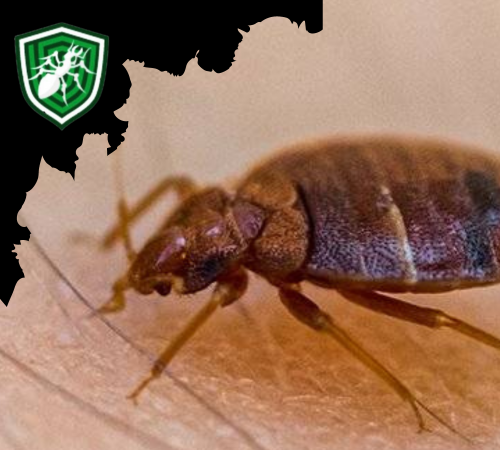
Same-day pest service is worth it when danger is present or when a commercial operation needs to protect guests and staff right away. For routine management, a scheduled visit with a thorough inspection delivers better value. Year-round pest protection spreads cost over time and usually includes discounts for bundled services like cockroach control Fresno or bed bug extermination Fresno if needed later. Transparent programs will note exactly where treatments occur, what products are used, and what changes you can make between visits.
If you are comparing providers, ask whether they practice integrated pest management Fresno CA approaches and whether their technicians are trained for attic and crawl space sealing Fresno CA tasks. A team that can combine exclusion with treatment will save you repeat visits. Make sure you are working with a licensed and insured exterminator who can document service, carry appropriate certifications, and advise on regulatory considerations for commercial sites.
A simple, workable routine for Fresno homes
Here is a lean routine that keeps most properties in good shape without overdoing chemicals.
- Monthly, sweep and vacuum webs along eaves, light fixtures, and fence lines. Check and adjust door sweeps and look for gaps at utility penetrations. Seasonally, prune plants away from the structure, clean gutters, and swap out bright exterior bulbs for warm-spectrum LEDs. After irrigation changes or rain, inspect drip zones and AC pads for pooled water and clear any debris that traps moisture. Store items off the floor with space from walls, and keep woodpiles and compost away from the foundation. Schedule a professional inspection at least once a year, and sooner if you notice concentrated widow activity or persistent webs in the same spot.
Final perspective
Spiders are part of Fresno’s fabric. The goal is to live alongside the harmless majority while keeping dangerous encounters rare. When done right, spider control feels quiet and uneventful: fewer webs, fewer night visitors at the porch light, and no surprises when you reach into the garden hose cubby. The best results come from a balanced approach that combines sensible upkeep, structural fixes, and precise, minimal treatments. Tie that into broader pest control Fresno strategies, and your home or business stays comfortable through the peak months and steady the rest of the year.
Valley Integrated Pest Control 3116 N Carriage Ave, Fresno, CA 93727 (559) 307-0612